How to Qualify for Surveys?
You sit down, ready to make some extra cash, click a survey invitation and bam disqualified again.
I’ve been there, nothing worse than spending five minutes answering pre-survey questions just to get that dreaded “thank you, but you don’t qualify” screen.
But here’s the thing, after doing this for a while, I’ve figured out some patterns. Some tricks and ways to actually get into more surveys instead of getting kicked out.
So today, I’m sharing everything I’ve learned about qualifying for more surveys. No fluff, just the stuff that actually works.
Jump on Surveys Fast
First things first, timing is everything.
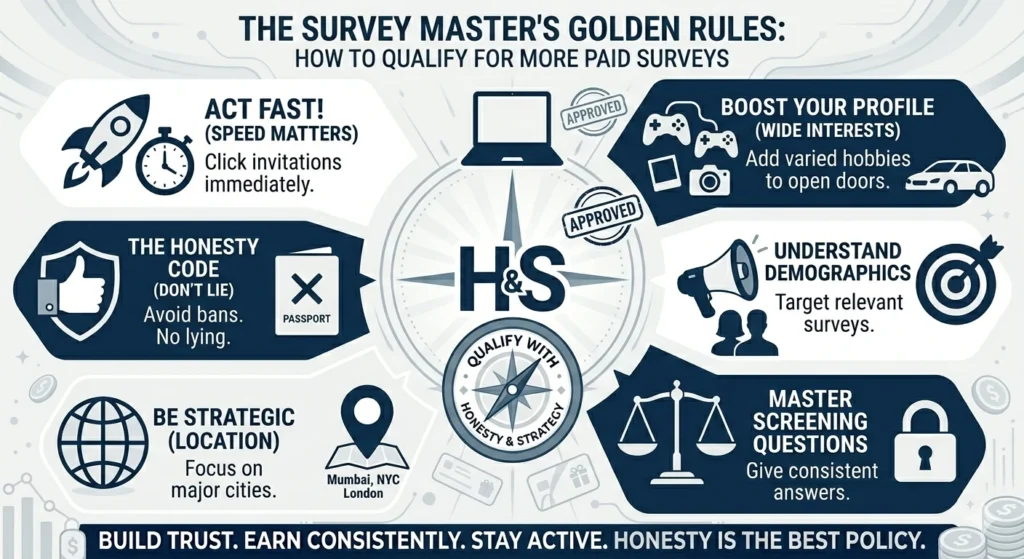
Most surveys only have a certain number of spots or quotas open for each age group, gender, whatever. If you wait an hour to click that survey invitation, chances are the spots are already gone.
I’ve tested this, the surveys I open within five minutes of getting the email, I get in way more often. The ones I save for later? Half the time they’re full before I even start. Data shows that many people answer within minutes/hours, and early responses represent a large chunk of total responses in surveys.
So, here’s my advice, when you see a survey pop up on your phone or email, take it right then don’t tell yourself you’ll do it later. Later means someone else already took your spot.
Get Smart About Your Profile
Okay, this is where most people mess up and they don’t even realize it.
Your profile isn’t just paperwork; it’s literally your ticket into surveys. And if your profile is too narrow, you’re leaving money on the table.
Here’s what I mean by getting strategic:
Add variety to your interests: You might not be obsessed with video games or beauty products, but here’s the thing. Surveys are often targeted at specific activities and interests. If your profile only says you like reading and hiking, maybe you’re only going to get surveys about books and trails, boring and rare.
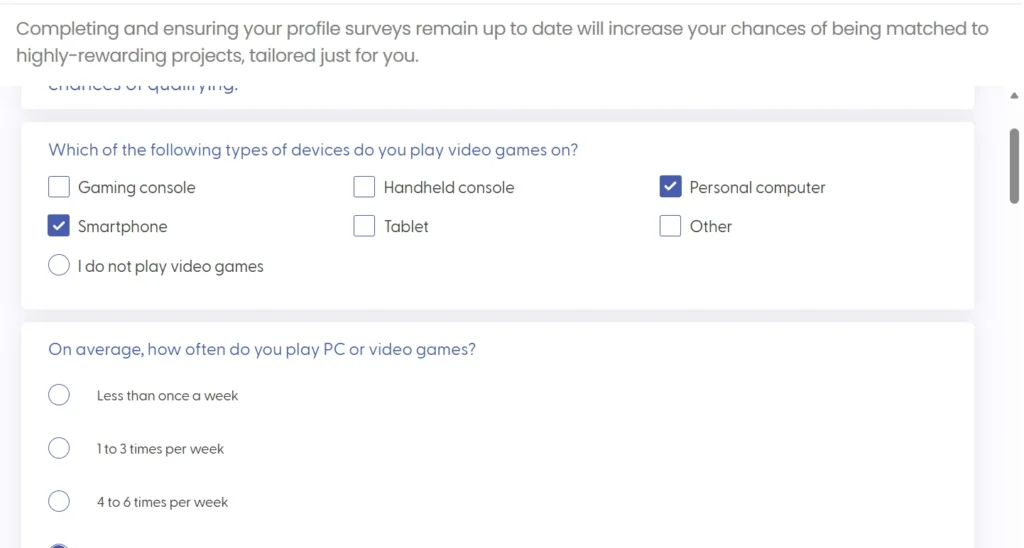
Throw in some variety movies, gaming, shopping, travel, pet products, whatever even if it’s not your main thing, having it on your profile opens doors to more surveys.
Own a vehicle in your profile: This one’s a little sneaky, but it works. So many surveys are about cars, car insurance, car buying, car maintenance. If your profile says you don’t own a car, you automatically miss out on all of those.
If you don’t have car but drive one or someone else drives you around, putting “one car” in your profile can make a difference, just saying.
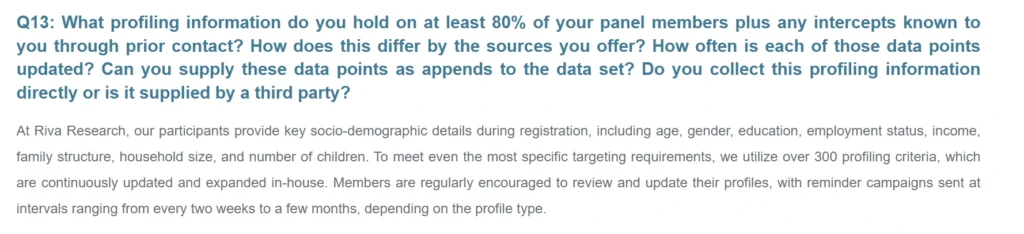
Keep it well-rounded: Don’t make your profile too narrow. Survey companies are looking for diverse participants, and they want people with different interests, different spending habits, different lifestyles. The more balanced your profile looks, the more you’ll fit what they’re looking for.
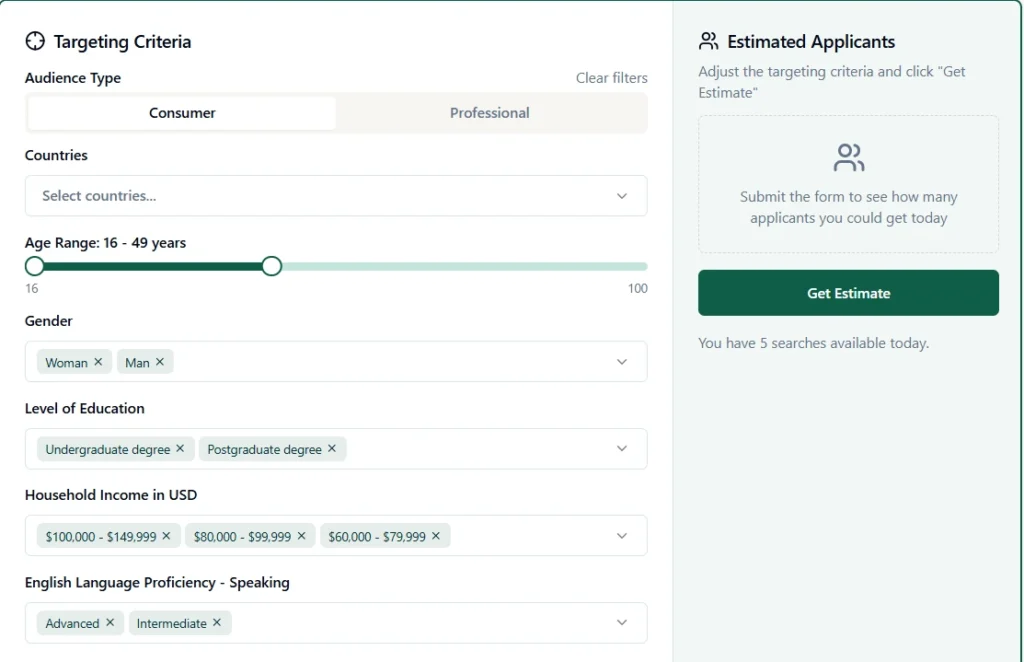
Industry panels and platforms allow complex audience targeting based on things like interests, behaviors, profiles, and demographics. That’s why having more varied interests in your profile increases the pool of studies you can match with.
Pay Attention to Survey Topics
Here’s something I learned the hard way, not every survey is meant for you and that’s fine. Ipsos also states that if you are not the target audience you will be disqualified. You need to read the survey invitation and think about who they’re actually trying to reach.
If the survey is about skincare products or grocery shopping, they’re probably looking for women. If it’s about business software or cigarettes, they might be targeting men, that’s just how market research works sometimes.
If you don’t match that, you’re probably getting disqualified. Don’t take it personally.
But here’s a tip, if a survey comes through that isn’t really your thing, but your spouse or someone in your household fits the demographic perfectly, ask them to fill it out. Just make sure they answer honestly, don’t try to fake it yourself.
Master the Screening Questions
Those questions at the beginning? The ones that feel like a survey before the survey? Those are everything.
Get these wrong and you’re done before you start. Get them right and you’re in.
Let me break down how to handle each type.
Industry Questions: This is huge, when they ask what industry you or your family work in, most people pick “None of the above” if it’s related to the survey topic.
If the survey is about soda and you say you work for Coca-Cola, they’ll disqualify you instantly. They think you’re biased even if you work in accounting at a soda company, doesn’t matter they don’t want industry insiders.
This is standard practice because researchers want unbiased consumer opinions. In this case you have to be honest and yes, you may be screened out of that specific study but giving inaccurate information can:
- Violate panel terms
- Result in account suspension
- Flag your account for inconsistent data
Long term, honesty keeps your account safe and active.
Education: Survey platforms often cross-check:
- Your profile information
- Your previous answers
- Your current responses
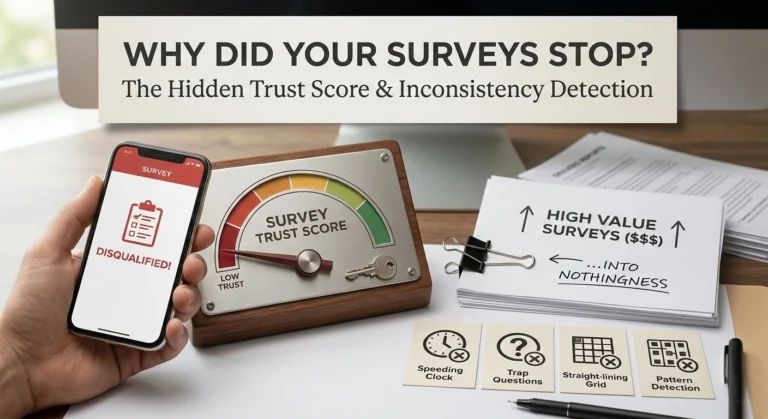
If your education or income suddenly changes across surveys, systems may flag your account. Research panels prioritize data consistency because inconsistent responses reduce research validity.
So instead of choosing answers based on what you think qualifies, choose answers that are:
- Accurate
- Consistent with your profile
- Stable over time
Reliable respondents receive more invitations in the long run
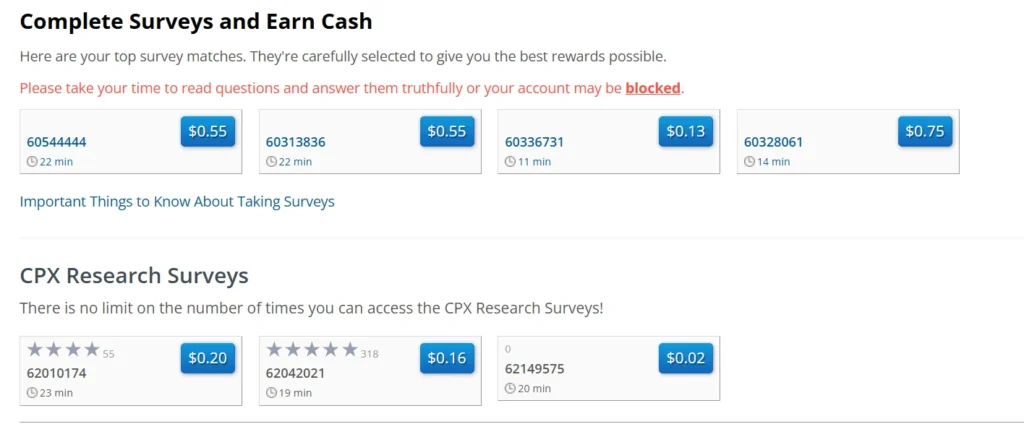
Income: Survey platforms often use income information to match participants with relevant studies for example:
- Higher income brackets may be invited to luxury or investment-related surveys.
- Lower income brackets may be invited to budgeting, discount shopping, or financial assistance studies.
There isn’t a “best” income level to pick. What matters most is that your answer:
- Matches your actual situation
- Stays consistent across surveys
- Aligns with your profile information
Many research panels use automated systems to detect inconsistent data. If your income changes dramatically from one survey to another, it can raise red flags and may reduce future invitations.
Age: This one’s simple, make sure your profile shows you’re 18 or older. If you’re under 18 on paper, most survey platforms automatically kick you out, no exceptions.
Your Location Can Help
Where you live matters more than you’d think.
If you’re in India, and the platform asks for your city, mention the big ones. Mumbai, Delhi, Kolkata, Bangalore. Major cities get more survey opportunities because companies are interested in urban consumers.
For country selection, if the platform lets you choose or update your country, always pick top-tier markets if it’s accurate (US, UK, Canada). These countries get the most surveys by far.

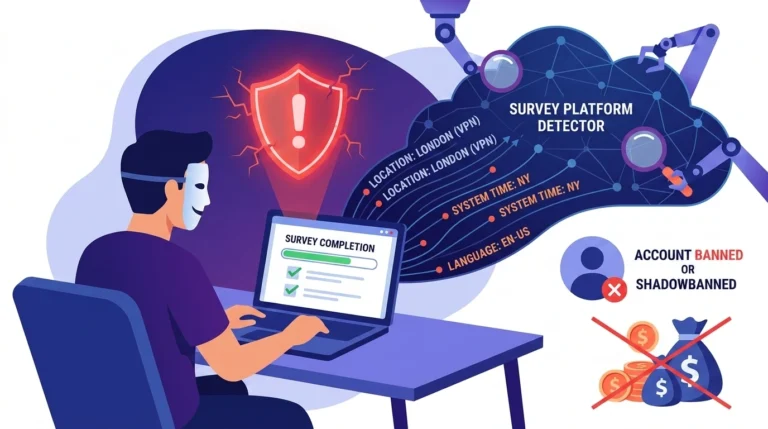
Obviously don’t lie about where you actually live. But if you’re in a smaller city, and the platform just asks for country, being in a major survey market makes a difference.
Don’t lie
Let’s be real for a second, everything I just told you about qualifying for more surveys. It works but there’s one line you don’t want to cross.
I’ve talked about being strategic with your profile, picking the right answers in screeners, knowing how to position yourself, all of that is fair game.
But here’s where I need to pump the brakes.
I know it’s tempting you see a survey about luxury vacations and you’ve never left your home state. But you want that payout, so you think, maybe I’ll just pretend I went to Paris last summer.
They Have Ways of Knowing
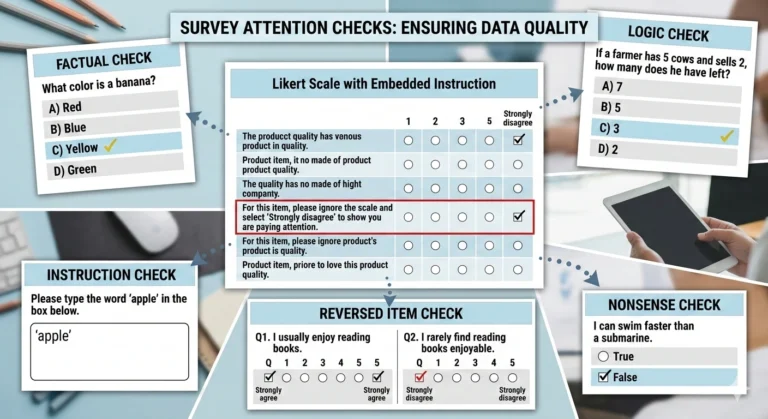
Survey companies aren’t stupid, they’ve been doing this for decades. They build something called “trap questions” into their surveys.
You might get asked the same thing two different ways twenty questions apart. If your answers don’t match, they flag you.
Or they’ll ask about a brand that doesn’t exist. Seriously they make up a product name and see if you claim to have used it. If you say yes, you’re done.
I learned this the hard way years ago. Got halfway through a decent paying survey, thought I was being clever, and bam. Terminated wasted twenty minutes and got nothing.
Your Account Can Get Banned
Here’s the thing nobody tells you when they’re bragging about survey earnings online. These platforms share data.
If you get flagged for inconsistent answers or straight-up lying on one site, that information can spread. There are blacklists, your IP address. your name, your email.
Suddenly you’re not getting surveys anywhere. All those platforms you signed up for?
And good luck explaining to support why you should get your account back when they have screenshots of you claiming to be a 45-year-old man in Texas and a 30-year-old woman in Florida on the same day.
You May Waste Time
This is the one that gets me. People lie to qualify, spend twenty minutes on a survey, and then get caught at the end. No payout nothing just wasted time.
If you’d been honest from the start, you could have moved on to something else. Being strategic means working with the system, not trying to trick it.
The Strategy and Honesty Balance
So, where’s the line? Let me break it down.
Strategic and fine:
- Adding varied interests to your profile
- Picking “none of the above” for industry questions
- Taking surveys quickly before quotas fill
- Having a family member take a survey that fits them better
Crossing the line:
- Saying you have experience of a product you’ve never used.
- Changing your age to fit a demographic
- Pretending to live in a different country
- Claiming job titles or incomes that aren’t yours
See the difference? Strategy works within your reality. Lying tries to create a fake reality and fake gets caught.
My Final Thoughts
Look, I want you to qualify for more surveys that’s why I wrote this whole thing. I want you to make money and not get frustrated.
But I also want you to still have accounts six months from now still getting paid and still cashing out.
The best survey takers are the ones who last and the ones who last are honest.
So, use the tips I gave you, be smart about your profile, be quick with invitations and be careful with screening questions, just be honest while you do it.
Anyone ever get banned from a survey site? Drop it in the comments. Curious how common it actually is.